
news
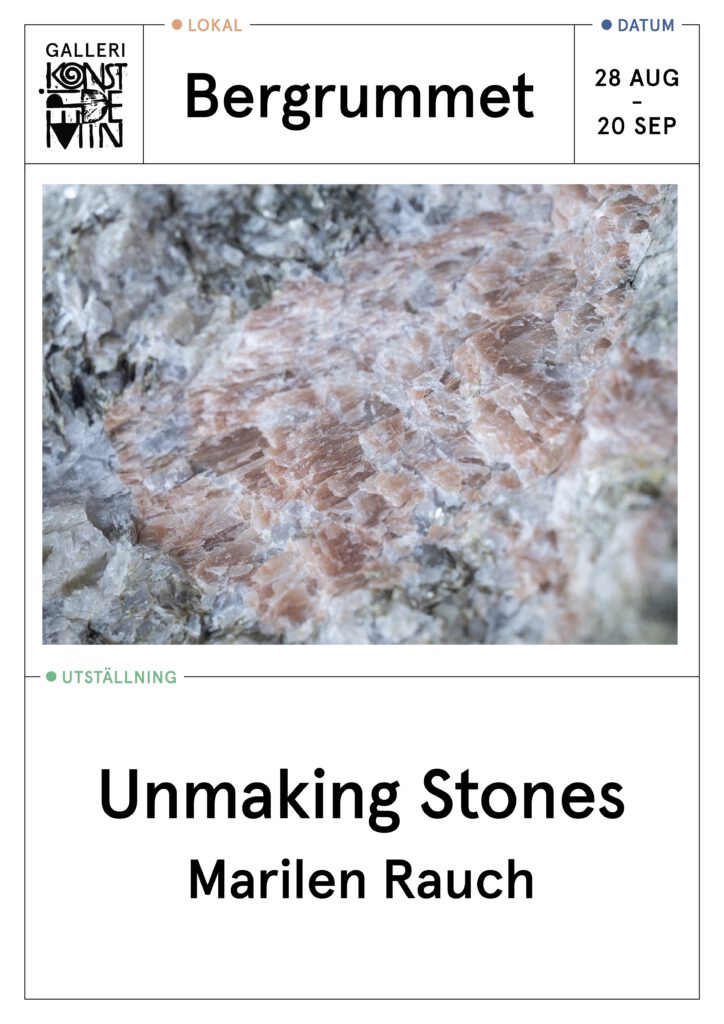
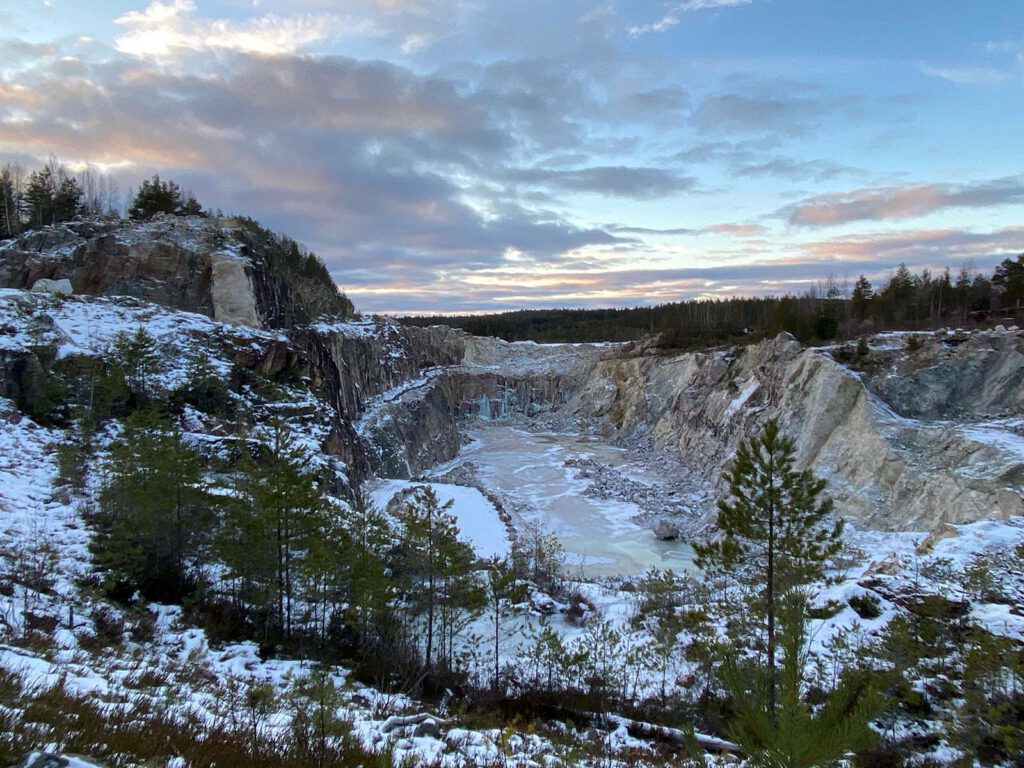
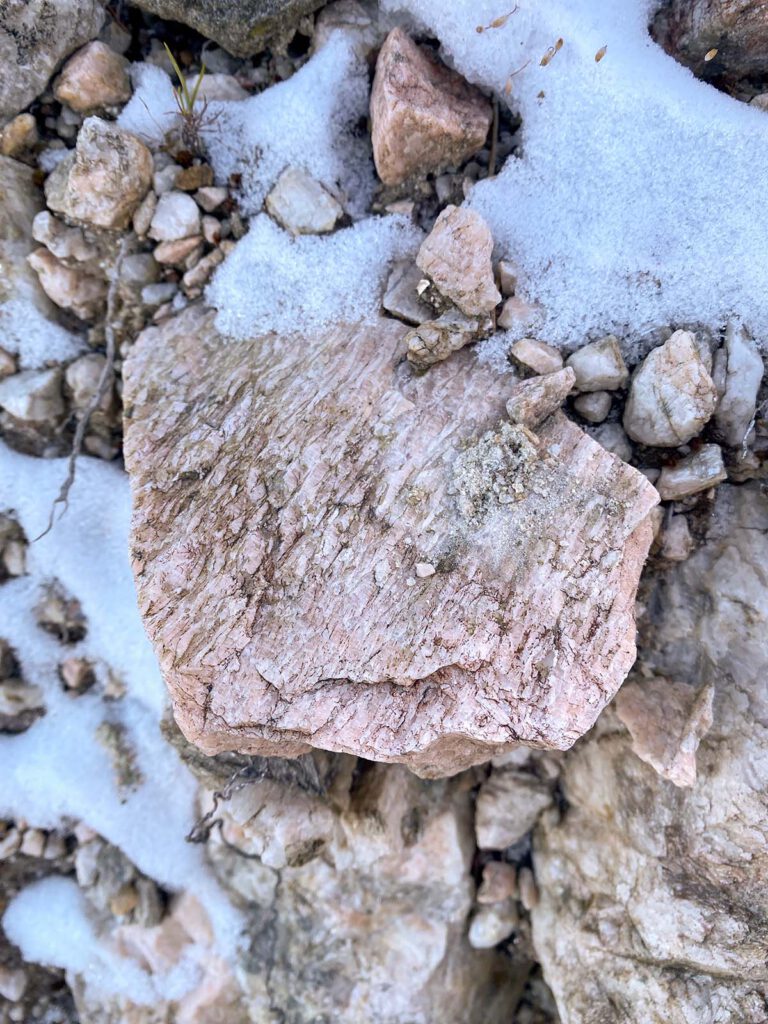
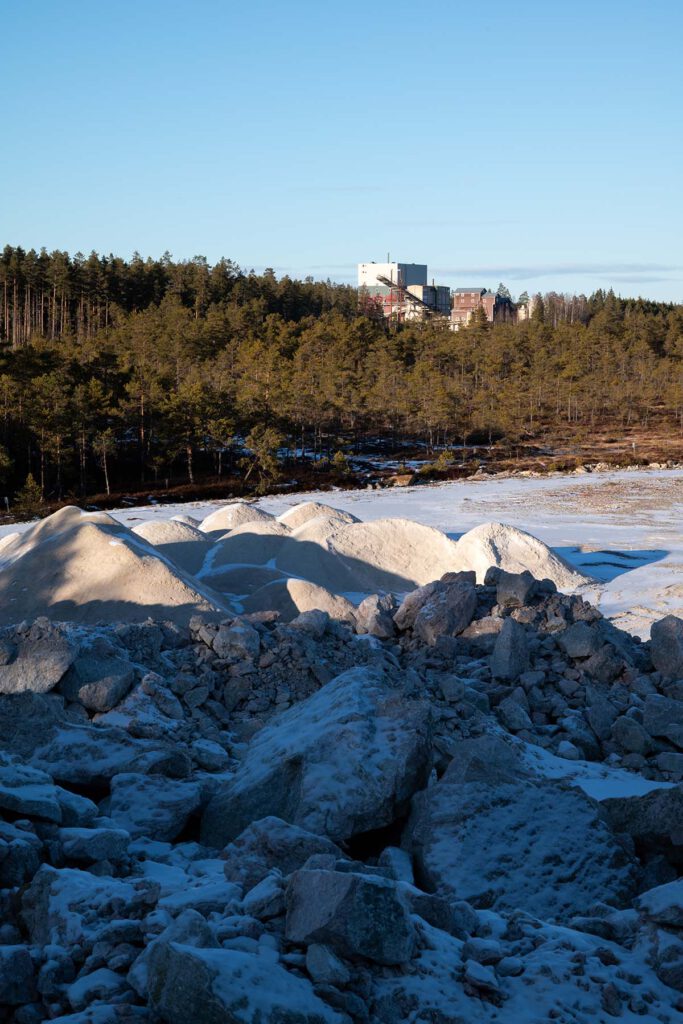
The exhibition Unmaking Stones traces feldspar from the former Forshammar mine through a process of transformation. Following fieldwork at the mine, I built a ceramic ball mill and milling jars to grind 300 kg of feldspar sand into powder throughout the exhibition. Through collective milling, visitors become part of an encounter between mineral, machine and human action. The exhibition reveals the site-specific histories and properties of a mineral often encountered only in processed forms.
Unmaking Stones continues the exploration of feldspar, extraction and the hidden material histories embedded in ceramic materials. The work builds on field trips to the former Forshammar feldspar mine in Sweden, including research, writing and the exhibition ”Unearthing Sedimented Memories” (2025). These investigations centred on the relationship between geological formations, mining practices and ceramic production.
Although feldspar is one of the most abundant mineral groups on Earth, it is rarely encountered in its original form. Omnipresent in porcelain, glass, ceramic glazes, filler in paints and many other everyday materials, feldspar has become an invisible component of our built environment. Within the ceramic practice it is usually encountered only after transformation, as a processed powder used in clay bodies, porcelain and glazes. Through extraction and production, the geological origins of the mineral often become distant from our everyday encounters with it.
The exhibition brings together different states of feldspar from Forshammar: stones collected from the landscape around the mine and remaining feldspar stocks from the former mining operation. Together they reveal different stages of the material journey: from geological formation, extraction and processing to ceramic transformation.
While ball mills are common tools in ceramic studios, this work focuses on making the process of transformation itself tangible. By building the machine and its milling jars, the work creates an encounter with a transformation usually hidden behind ready made tools and processed materials. Through making and handling the material, the work invites an embodied understanding of feldspar through its weight, texture, colour, smell, sound and ceramic properties. Throughout the exhibition, visitors become part of the gradual transformation of feldspar through collective milling.
The milling jars are made from different clay and porcelain bodies and glazed with feldspar from the same source. They become part of the transformation they enable, bringing together the mineral, the ceramic process and the tools through which the material changes.
Bergrummet forms another layer of the work. The space itself is a place where stone has already been transformed by human hands. Its stone walls and vaulted structure carry traces of construction, labour and changing uses. Within this stone architecture, another material transformation takes place. A mineral formed over geological time is altered through mechanical movement, ceramic processes and human interaction.
Unmaking Stones is not about undoing the stone, but about reconsidering the processes and relationships through which materials become understood and used. The work asks what forms of material knowledge emerge when minerals are encountered not only through their final applications, but through the making of the tools and the processes that transform them.
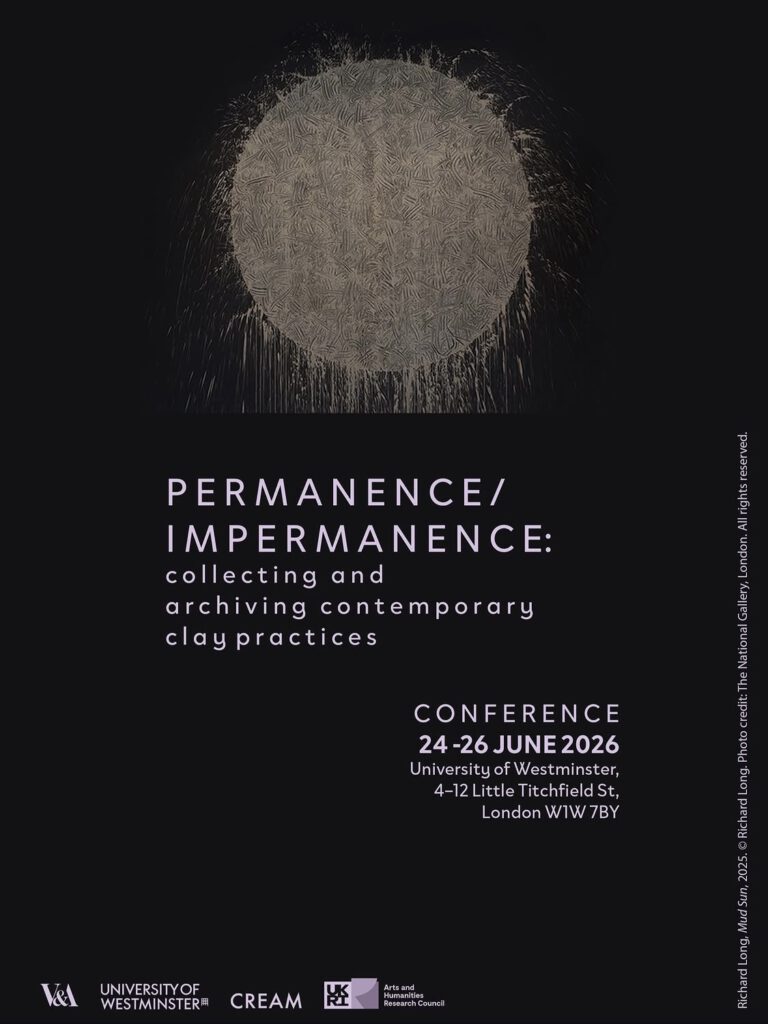
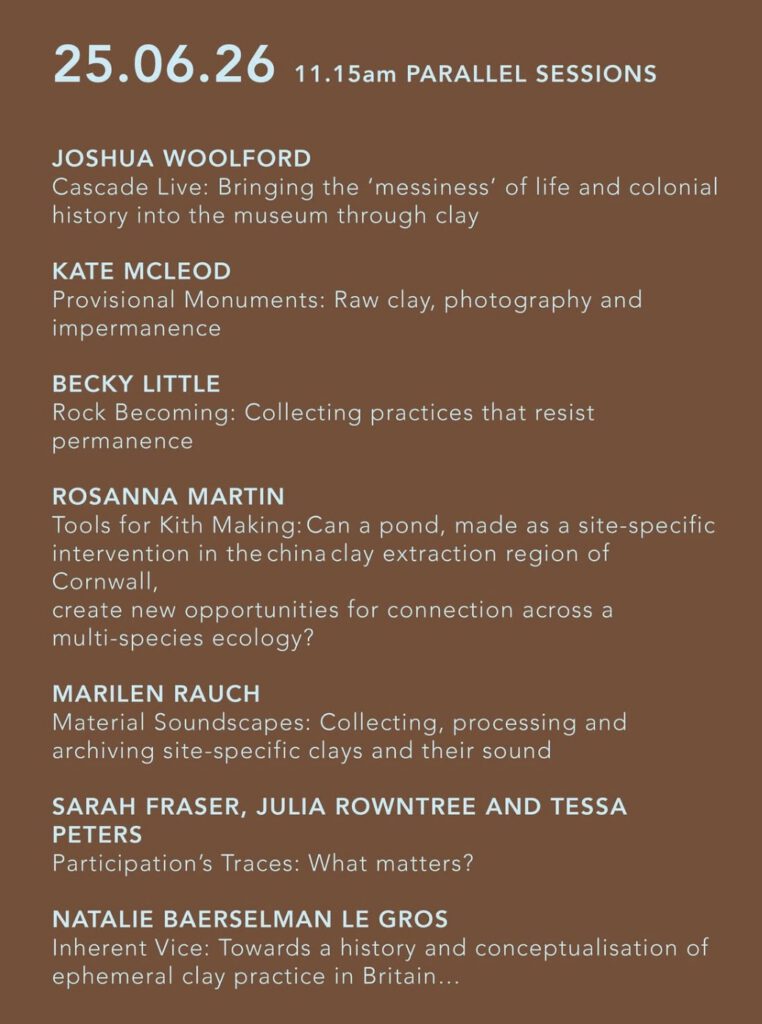
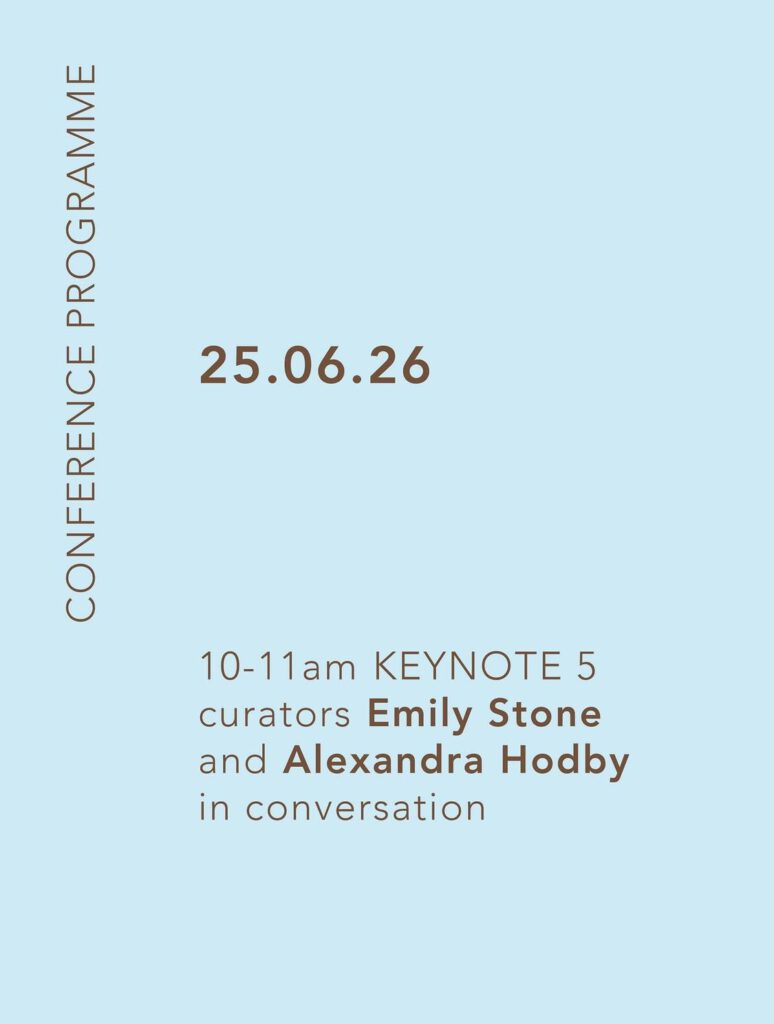
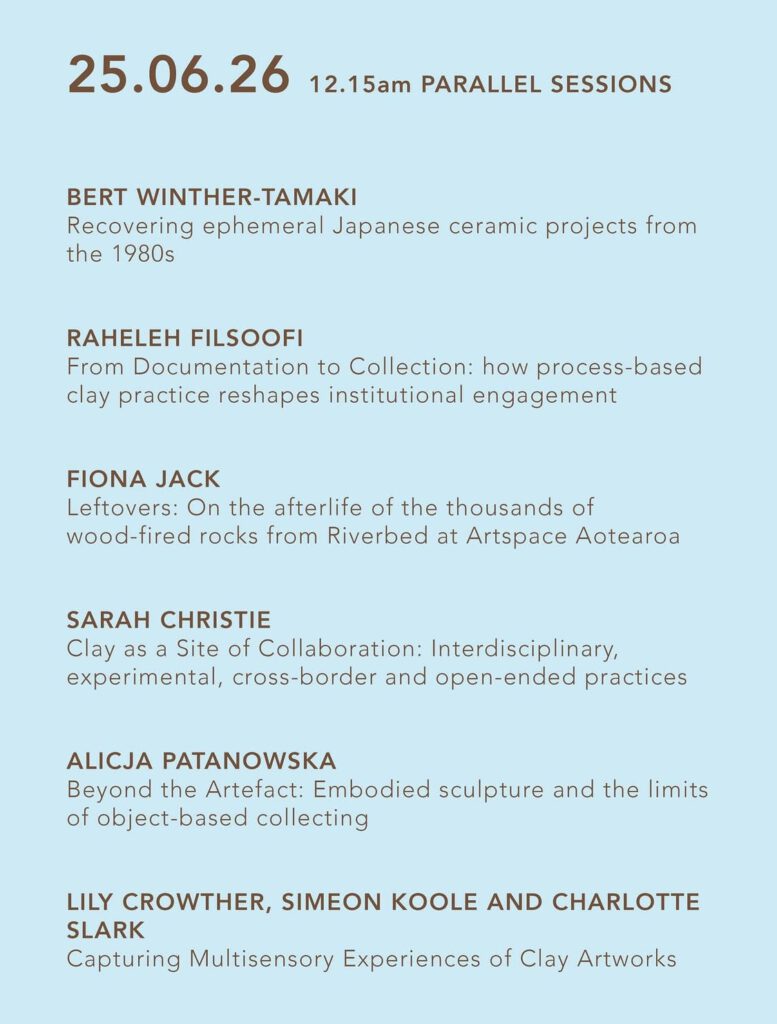
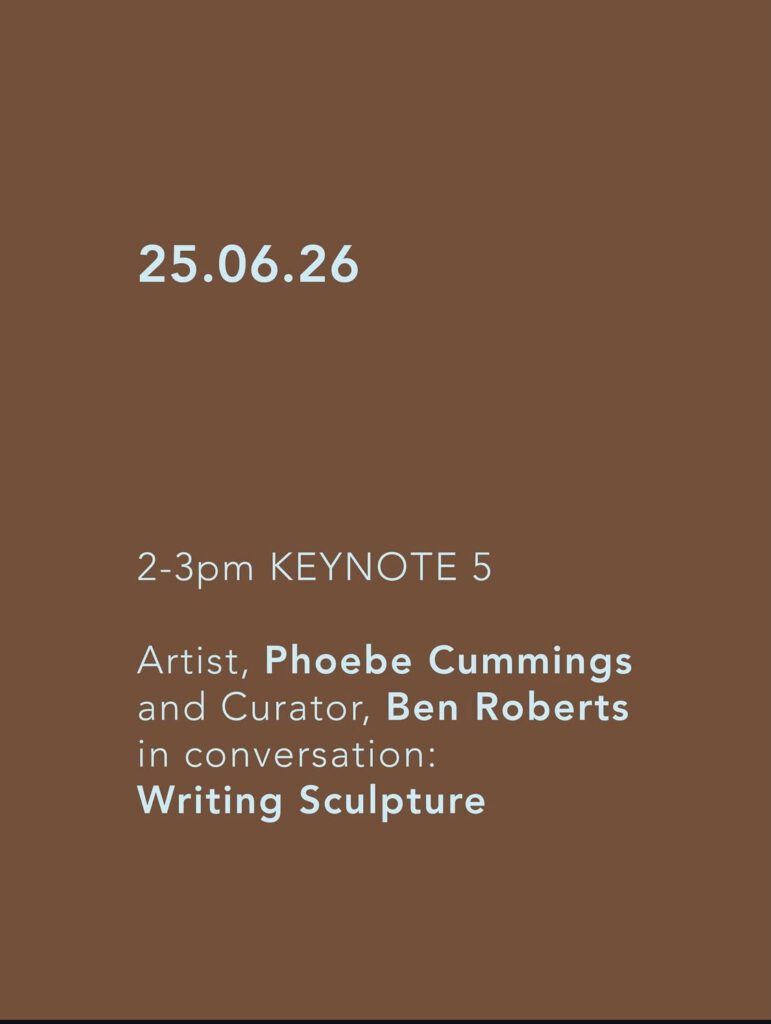
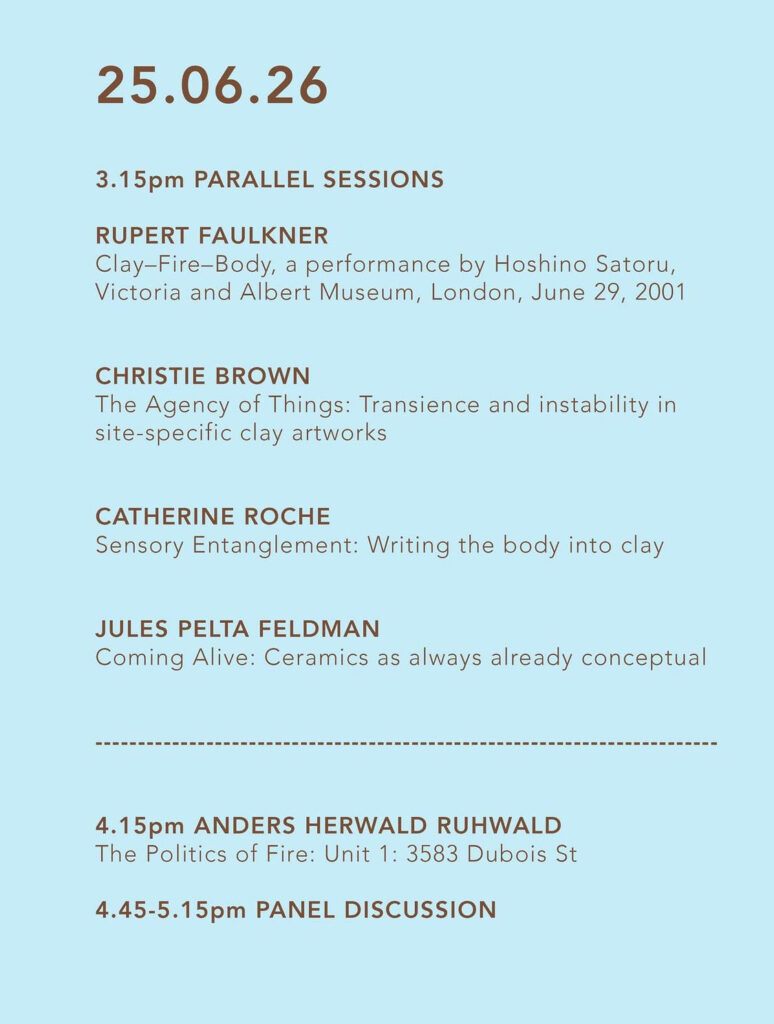
I am happy to share that I will be part of the Permanence/Impermanece conference. I will present a short provocation of my work Material Soundscapes: Collecting, processing and archiving site-specific clays and their sounds, raising questions about how site-specific raw clay, sound and interaction can be collected and preserved within museum contexts. The three-day conference addresses how artworks in the ‘expanded field of clay’ can be made accessible to current and future audiences. These works may be ephemeral, site-specific, participatory, or live, thereby posing significant challenges for museums.
It takes place in the context of important recent work on collecting performance, installation and live art (Tate, 2018-22; Hölling, Feldman & Magnin, 2023-4), and on the politics and practices of museum collecting (Jones, 2021; Krmpotich & Stevenson, 2024) and therefore supports interdisciplinary dialogue extending beyond clay practice.
Conference keynotes include Florence Peake (artist) and Louisa Buck (art critic and author); Alun Graves (Senior Curator, Ceramics and Glass 1900–now, V&A) and Keith Harrison (artist); Daniel F. Herrmann (Ardelan Curator of Modern and Contemporary Projects, National Gallery) and Deborah Smith (curator consultant); Phoebe Cummings (artist) and Ben Roberts (Director of Artists’ Research Centre); Emily Stone (specialist in public programming) and Alexandra Hodby (Head of Programmes, Yorkshire Sculpture Park); Hanna B. Hölling (Research Professor, Bern Academy of the Arts) and Pip Laurenson (Professor of Conservation, UCL); Clare Twomey (artist) and Martina Margetts (writer/curator).
The full programme of provocations, papers, and panel discussions raises a range of curatorial, museological and artistic perspectives on the subject, with other speakers/panellists including Natalie Baerselman le Gros, Christie Brown, William Cobbing, Lily Crowther, Rupert Faulkner, Jules Pelta Feldman, Tessa Peters, Anders Herwald Ruhwald, Nicole Seisler, and Ashley Thorpe. For updates to the programme please visit https://cream.ac.uk/ceramics-research-centre-uk/
The conference is being held as part of the three-year AHRC-funded research project, Future Ecologies of Clay. The research is being undertaken by the Ceramics Research Centre-UK, University of Westminster, in partnership with the V&A (Grant number UKRI748).
3:e Våningen is participating for the second time in the third edition of the Craft Days Arts and Crafts Biennial, which focuses on ceramics. Fired clay dates back thousands of years. It is one of the fundamental, well-developed, and time-tested methods of early civilizations, and remains an important part of society today. Vessels for liquids, grains, and plants. Brick blocks as building materials for houses and homes. The symbolism of preparing to depict a full-scale army for divine life after the earthly one. In the grey area between, or beyond, functional objects and art, the 2026 edition of Craft Days in Gothenburg focuses on artists who work with ceramic materials and methods in the creation of their works. The exhibition highlights various artistic perspectives, rooted in the chemical phenomenon where shaped clay is encapsulated in a kiln and fired at extreme temperatures.
The program accompanying the exhibition on the 3e Våningen includes a performance with raw clay and discussions about ceramics as a means of artistic expression. Vernissage on Wednesday 6th of May from 5 to 9 pm.
Participating artists: Helena Andersson Sarmiento, Amalia Bille, David Bramham, Charlotta Eidenskog, Johanna Friberg, Oscar Gard Montan, Emma Knowles, Marilen Rauch, Hanna Sallén, and Zara Zetterquist.
The Craft Days Biennial is organized with the aim of elevating, strengthening, and raising the profile of the contemporary craft field in the Västra Götaland region. The event premiered in 2021. Read more here!
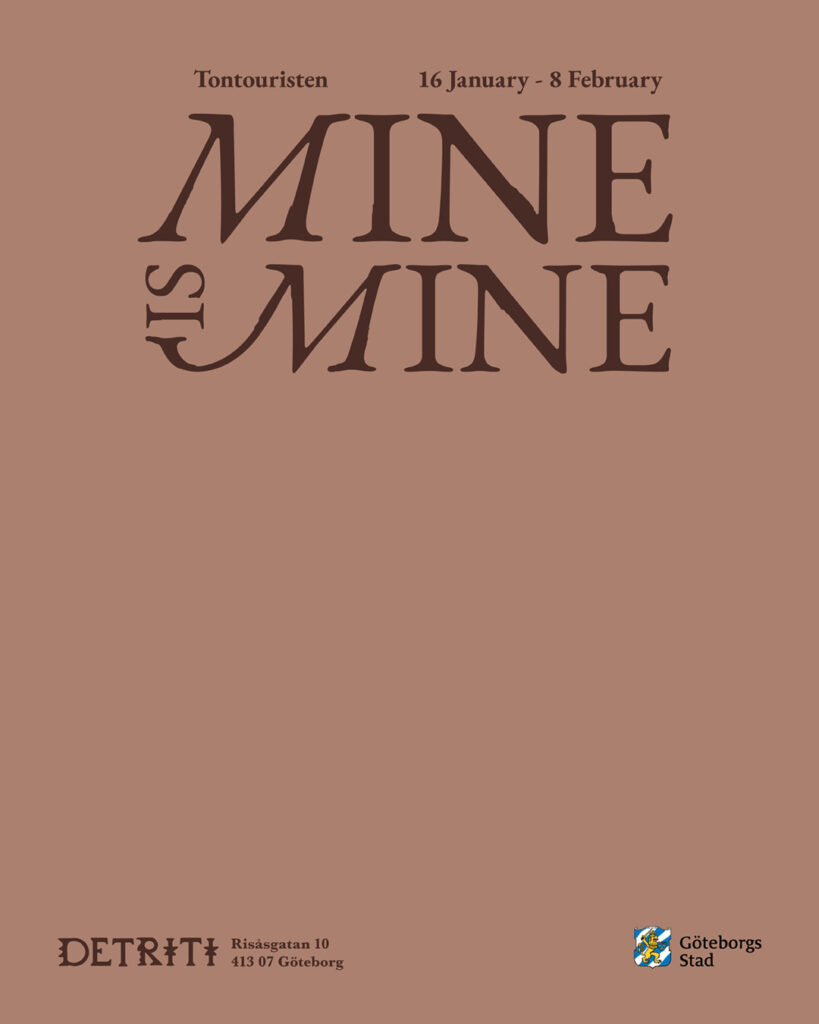
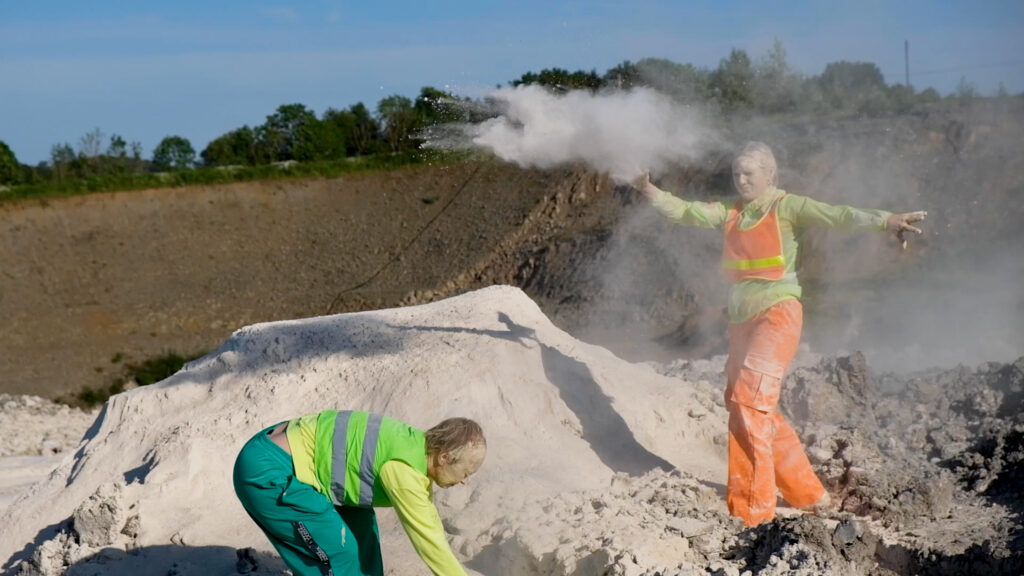
Welcome to the exhibition opening Mine is mine of Tontouirsten Kollektiv at Detriti gallery in Gothenburg.
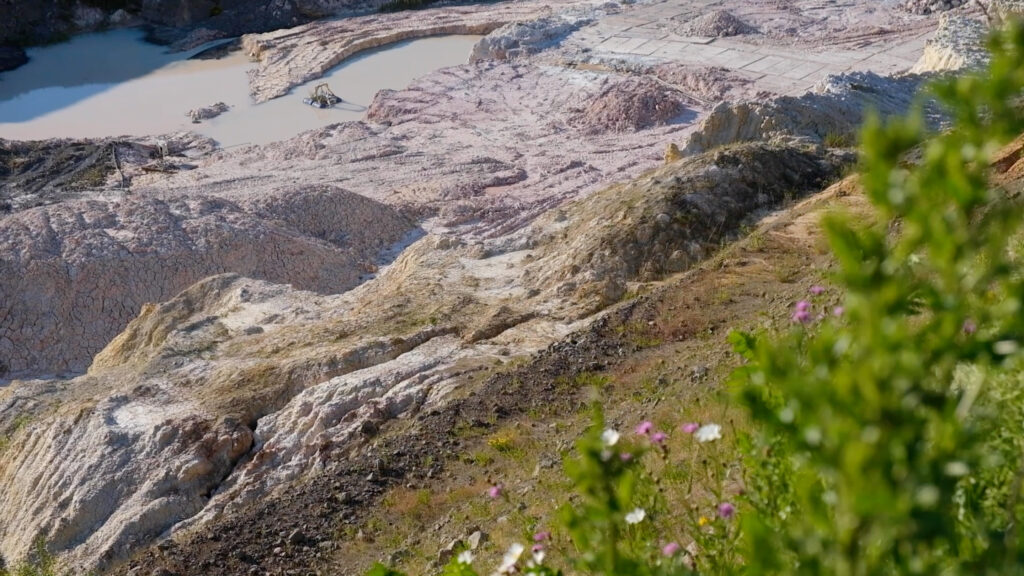
The work on display is their latest film “Mine is mine” that shows performative, improvised interventions around active and abandoned clay mines in Germany’s largest clay mining area, the Westerwald region – a site that continues to inform our research and practice. By blending documentary with speculative futures, Tontouristen explores clay as a precious and finite resource, as well as a cultural heritage at risk. Through interacting with symbolic objects and materials from the quarries, we invite viewers to enter into layered narratives of resource extraction and craftswomen navigating male dominated mining sites.Our work raises questions of ownership, belonging and care in extractive landscapes.
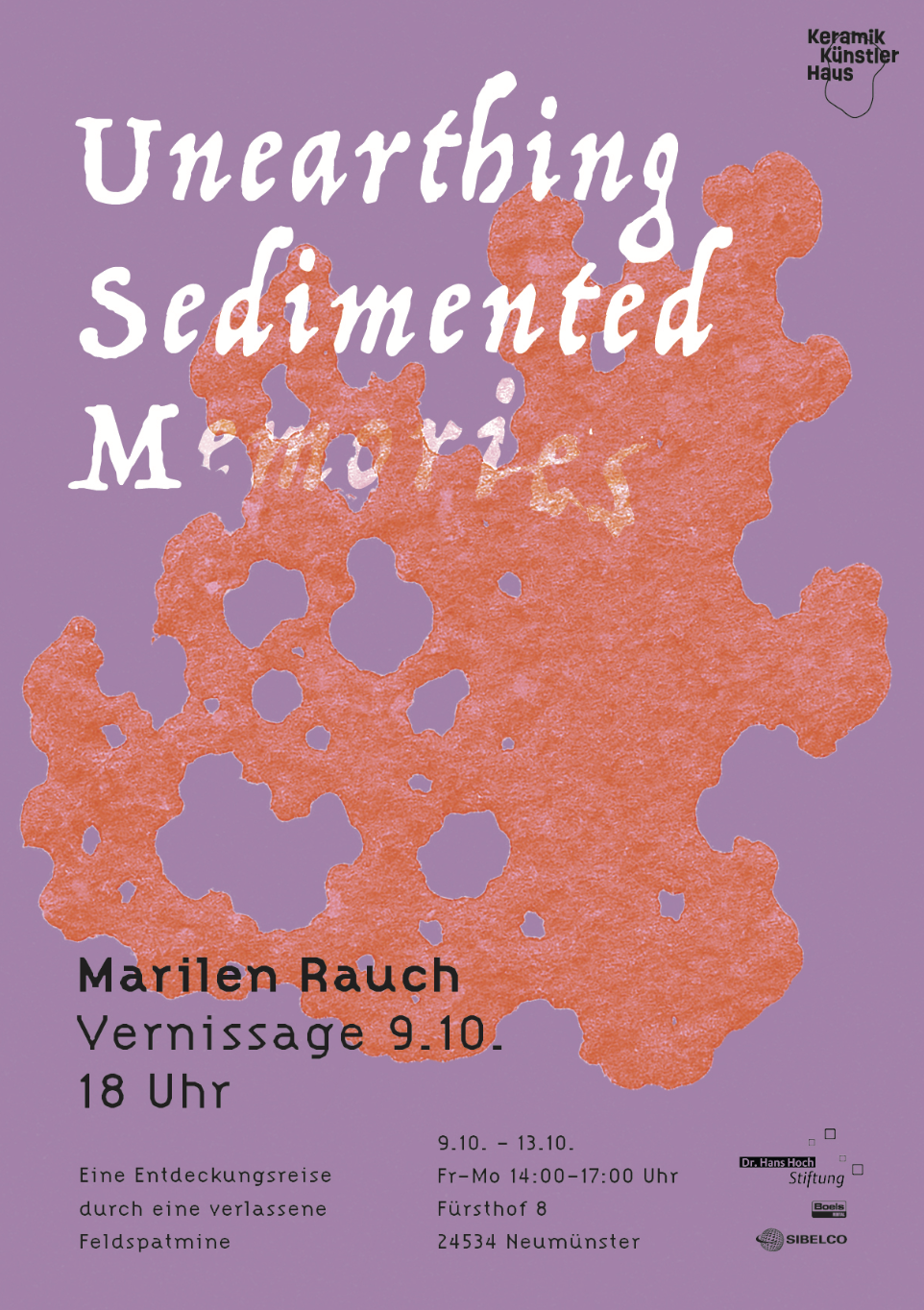
On Thursday, October 9th, at 6 pm., I welcome you to the opening of my exhibition which I developed during my time as interim artistic director at Keramikkünstlerhaus Neumünster. The exhibition Unearthing Sedimented Memories takes its starting point in the abandoned feldspar mine of Forshammar, hidden in the Swedish pine forest, which I visited several times. For over a hundred years, the site was mined; today, it remains a place that reveals the traces of heavy industrial use. I am particularly interested in the material history of the feldspar, a rock that makes up 60% of the Earth’s crust and plays a central role in glazes, clay, and porcelain bodies. Formed over millions of years, it is transformed in a short time by humans and machines into fine powder – a contrast between geological time and human intervention. At Keramikkünstlerhaus, I created a new, poetic and artificial landscape from the remnants of the feldspar sand from Forshammar quarry. What was taken from the earth becomes visible again. Among the sediments, ceramic objects emerge, shifting between artefact and organic form, reminiscent of archaeological finds from an industrial past. Visitors are invited to explore this extractive landscape. Metal objects and industrial relics are reclaimed by nature, while the ceramic works artistically reflect this transformation.
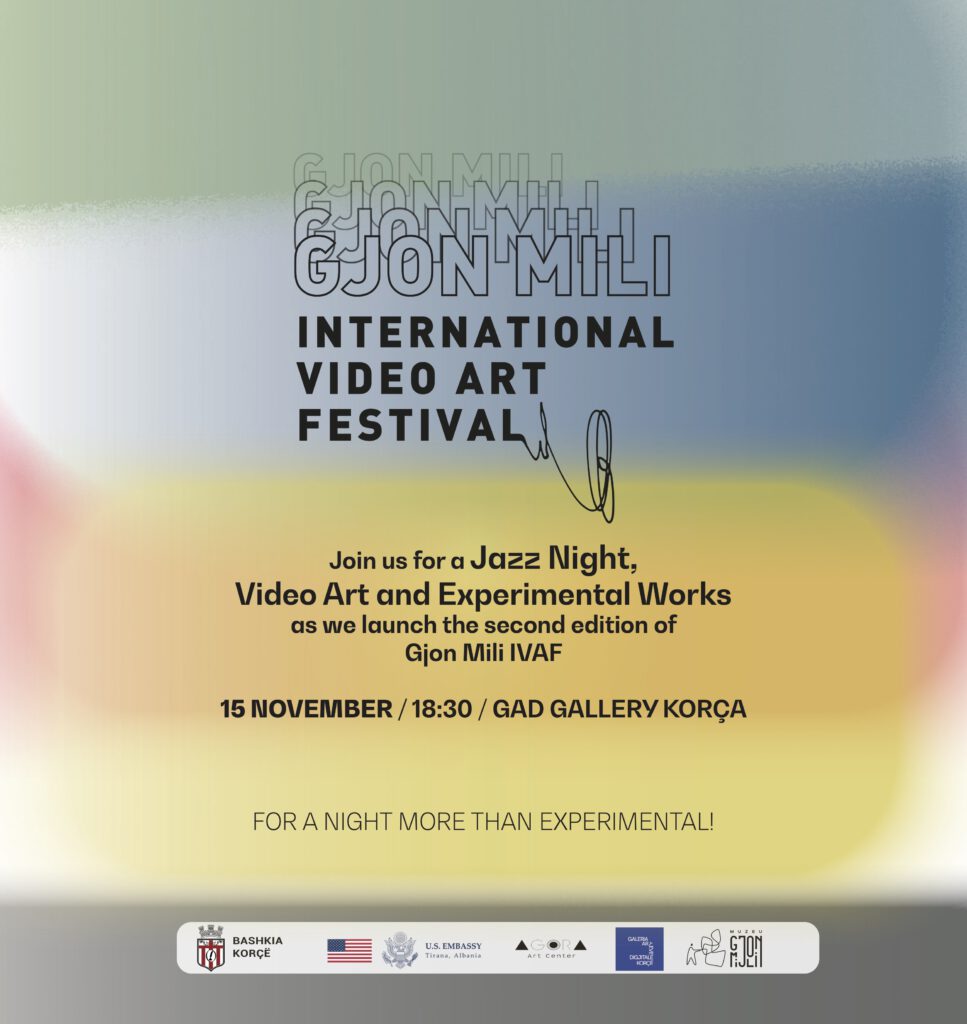
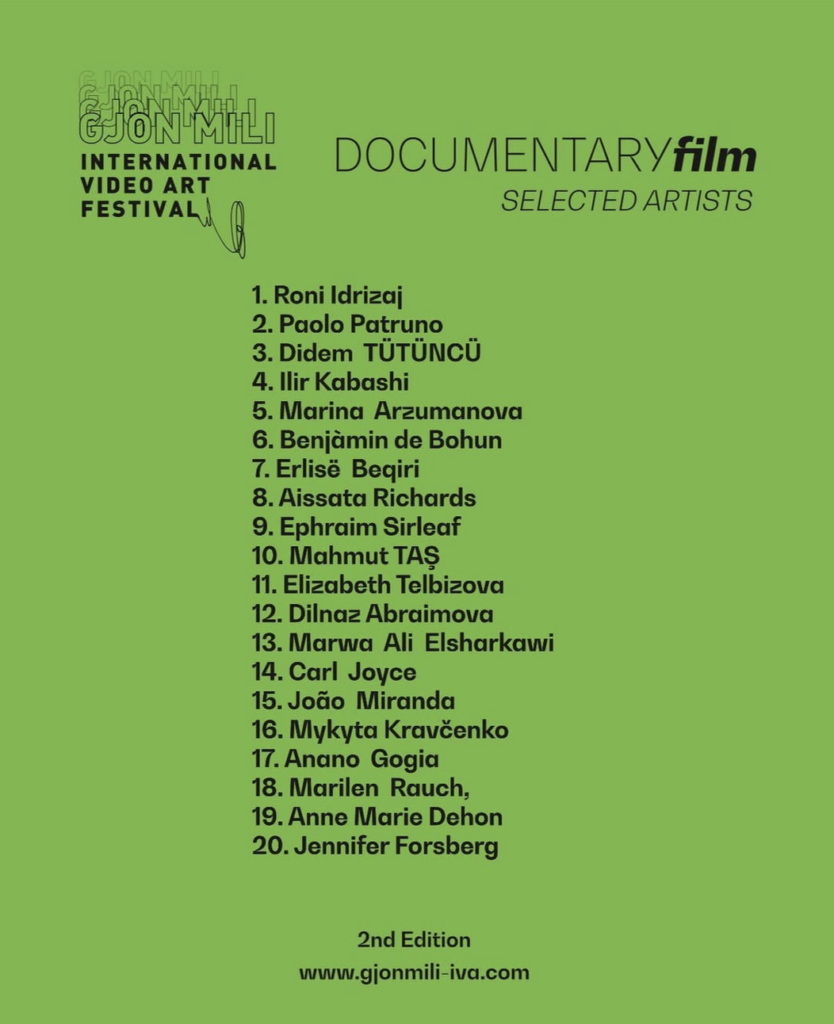
I am happy to share that Tontouristen’s film “Deposit” got selected to be screened during the Gjon Mili International Video Art Festival in Korçë, Albania.
Opening 15th of November, 18:30 at GAD Gallery in Korçë, Albania.
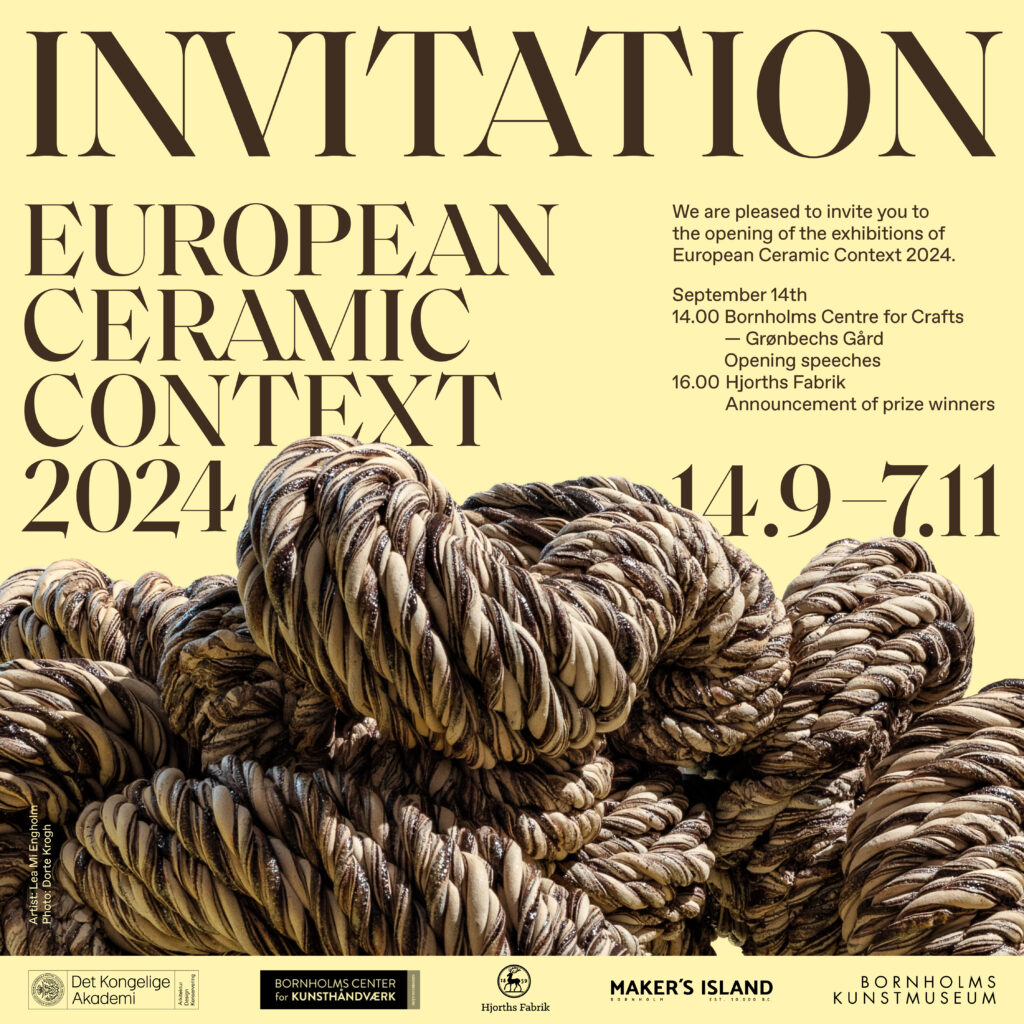
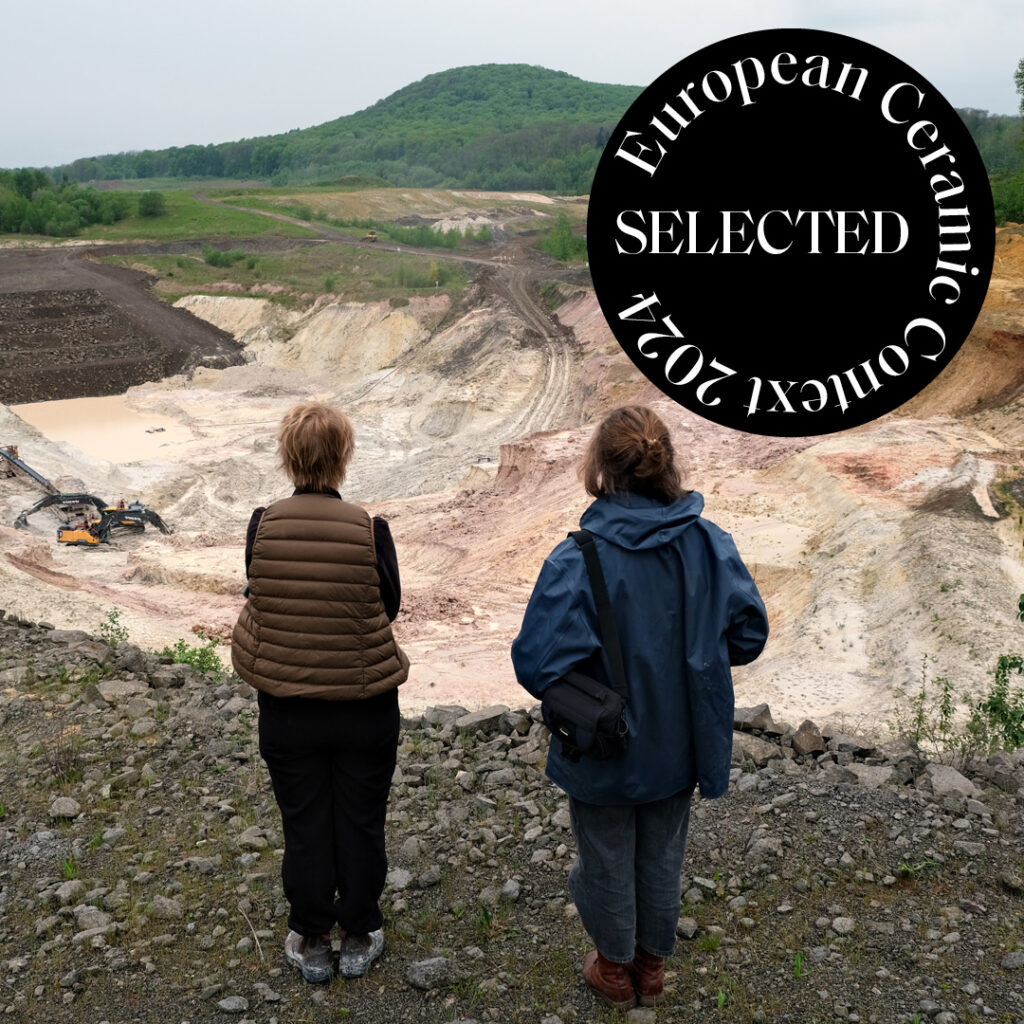
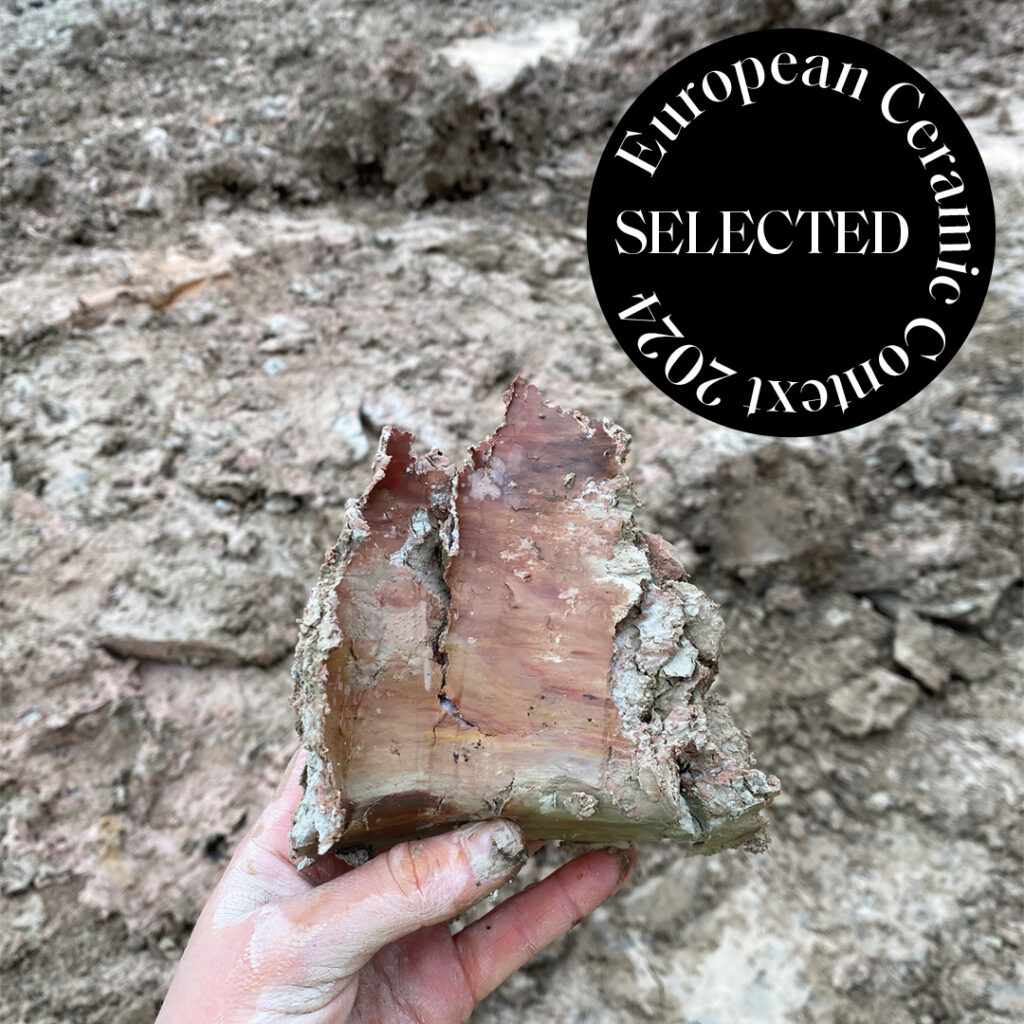
It is a pleasure to share the invitation to the opening of the European Ceramic Context 2024 on the island of Bornholm in Denmark! Tontouristen Kollektiv will exhibit the work Deposit. The work explores Europe’s biggest clay mining area in the Westerwald region in Germany. The triennial is an international platform for exchange through inviting artists and makers from all over Europe to exhibit, promote and discuss the ceramic disciplines and crafts at the European level. The framework of this year’s European Ceramic Context is devoted to sustainable practices in contemporary ceramics. The participation in the triennial is an important milestone for our collective Tontouristen and we are looking forward to extend our network within the European ceramic community as well as fostering discourses about clay mining in Europe and clay as a finite resource.
The earth’s challenges are our challenges. European Ceramic Context 2024 is devoted to sustainable practices in contemporary ceramics. Humanity’s pervasive intervention in the planet’s ecosystem is now all too evident in the global environment. There is an urgent need for change in our way of looking at the world, where an overuse of the planet’s resources has led to irreparable biodiversity loss, imbalance, and a severe climate crisis. Everyone is accountable for the problems. Within our field, we must be part of the solution and create a future of sustainable ceramic practices and circular thinking.
Bornholm Center for Crafts, Gønbechs Gård:
Sandra Ban, Elysia Athanatos, Vendulka Prchalová, Vinni Frederiksen, Anne Türn, Pille Kaleviste, Myrto Zirini, Maria Geszler Garzuly, Alice Sowa, Cathy Burke, Davide Ronco, Paola Orlandi, Linda Luse, Giedra Petkevičiūtė, Hannah Rose Whittle, Joe Welch, Maria Bak, Sofia Beça, Anca Dragu, Viorica Bocioc, Kristina Ligačová, Linda Viková & Simona Janišová, Nika Šantej, Eduardo Palomares, Jingbei Zheng, Valena Ammon, Alice Foxen, Mella Shaw, Neil Brownsword
Hjorths Fabrik:
Sandra Franzi Holzer, Christa Zeitlhofer, Wenselaers Els, Jenya Adamova, Michaela Spružinová, Lisbet Thorborg Andersen, Christina Schou Christensen, Lea Mi Engholm, Metha Stuart Wallace & Jamie Wallace, Inkyong Lee, Anna-KaisaHaanaho, Jari Vesterinen, Katia Terpigoreva, Benoît Pouplard, Simon Manoha, Dennis Demand,Christiane von der Laake & DorotheeWenz, Arina Antonova, Chryssa Kotoula, Viktória Maróti, Mandy Parslow, Carla Antonella Fiumara, Linda Jansson Lothe, Alicja Patanowska, Alek Glich, Hanna Miadzvedzeva, Lia Raquel Marques, Linda Viková & Simona Janišová, Radovan Gregorčič, Veronika Lah, Anca Ion, Pernilla Norrman, The Tontouristen Kollektiv, Nicole Lehner, Jessica Steel, Michelle Shields
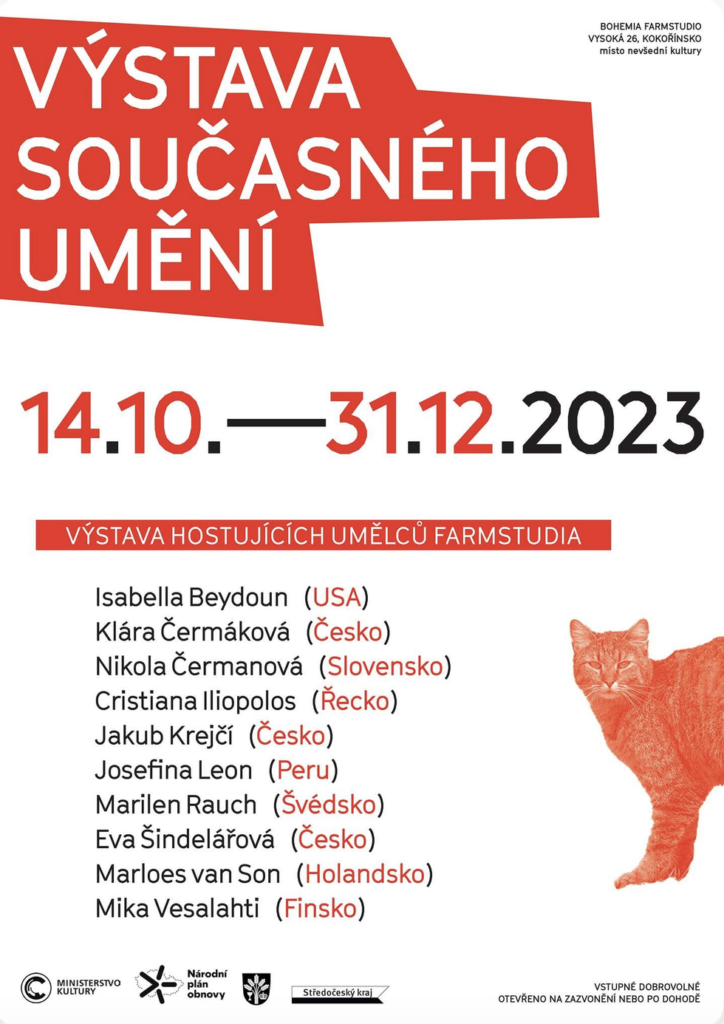
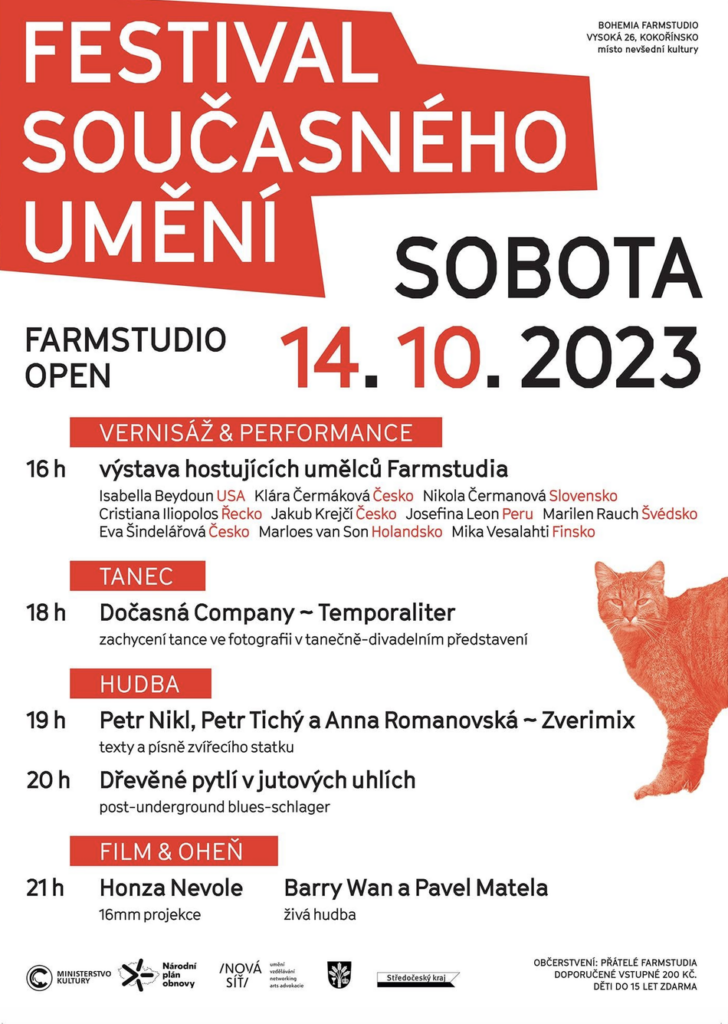
Im autumn I was invited to a residency at Bohemia Farmstudio, an independent culture center for the creation and presentation of contemporary art, located in a unique 18th-century farmstead in the Kokořínsko protected landscape area in Czech Republic. Here I spent 10 wonderful days alongside a fantastic, inspiring, funny and creative group of fellow artists. The results of our residency was exhibited during Farmstudio Open, with a trilling programme of performances, dance interventions, concerts and amazing food organised by the locals.
Farmstudio organizes exhibitions, dance and theater performances, creative residencies and plein-air stays, festivals, symposia, workshops, lectures, and other activities related to contemporary art and culture. Farmstudio was founded in 2014 by intermedia artist and educator Pavel Matela and has been operating since 2018 with the support of the Farmstudio – Center for Art and Culture association.
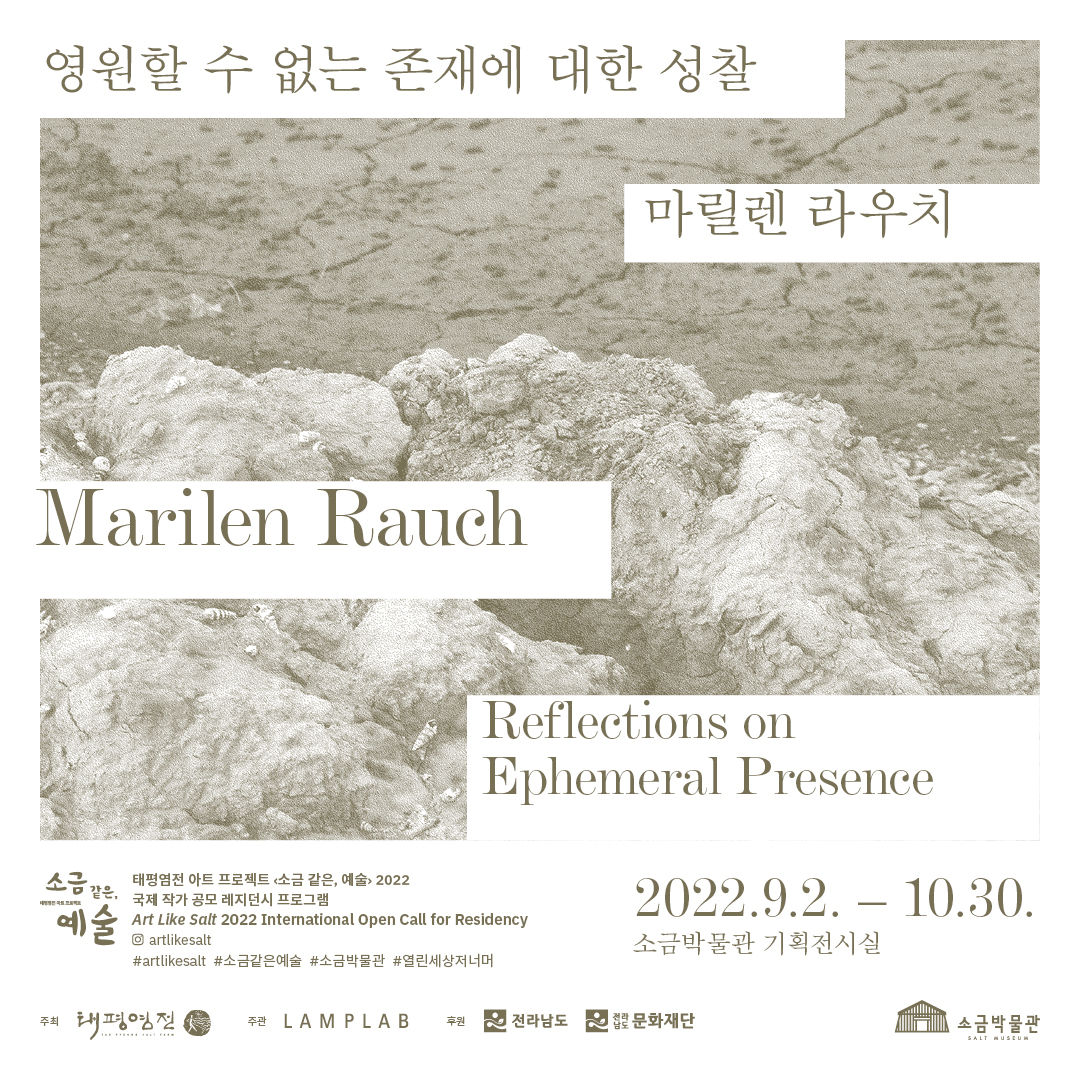
My first impressions of Jeungdo’s scenery were the different shades of soil – from luminescent red over beige to dark gray earth. The variety of colors on the agricultural fields where farmers cultivate rice, garlic, onions, chili and sesame leaves was endless and stunning. A sweet breeze of rice and seawater was in the air. The landscape is shaped by hundreds of salt fields. They create a vast surface for reflecting the sunlight and enable the seawater to evaporate over time – a slow and fascinating process by natural forces. The presence of time is omnipresent in Jeungdo through the high and low tide, exposing the hidden life of animals in the mudflat. My stay was coined by deceleration and recollection towards the significance of balance in our tearing pace world. I reflected about the cycles of nature and the rhythms of life as well as my own presence – the balance in and between entities. The rhythm of the tidal forces slowly started to influence my life on the island. A constant alteration of coming and going, presence and absence. My feelings fluctuated, aligned with the movement of the sea level.
The exhibition draws from my impressions and experiences during my stay at this artist residency. Reflections on Ephemeral Presence is an interpretation of the site-specific characteristics and the landscape of Jeungdo. As my field of interest is the artistic exploration of natural materials that surround me, I thought of the main resources of Jeungdo: soil and seawater. Both of them are highly valuable and fundamental components of the island life that coin the everyday routines of the locals. The earth provides fertile soil for agriculture and the seawater has an immersive importance concerning the salt production and fishing industry. I approached my new environment through artistically investigating local materials. Thus I found a variety of different clays on Jeungdo: close by the salt fields, on the beach, next to the road and in the mud flat. By dealing with site-specific materials in my works I aim to create a connection and expanded view towards our direct surroundings.
The work consists of installations and multimedia works that emphasize the dynamic and ephemeral state in landscapes and nature. Many elements that comprise a landscape are exposed to a constant state of change. Thus vibrant reflections of light on a water surface, earth traces and-structures, soil properties or the dynamic movement of the tidal forces are not uncommon phenomena. In relation to our own physical existence the exhibition is accompanied by a sound work, the record of my breath.
All works not only remind of the ephemeral presence of materiality, but aim to capture these brief stages of being. Which unfolds a slight feeling of orientation as well as grounding in the present moment through matter.